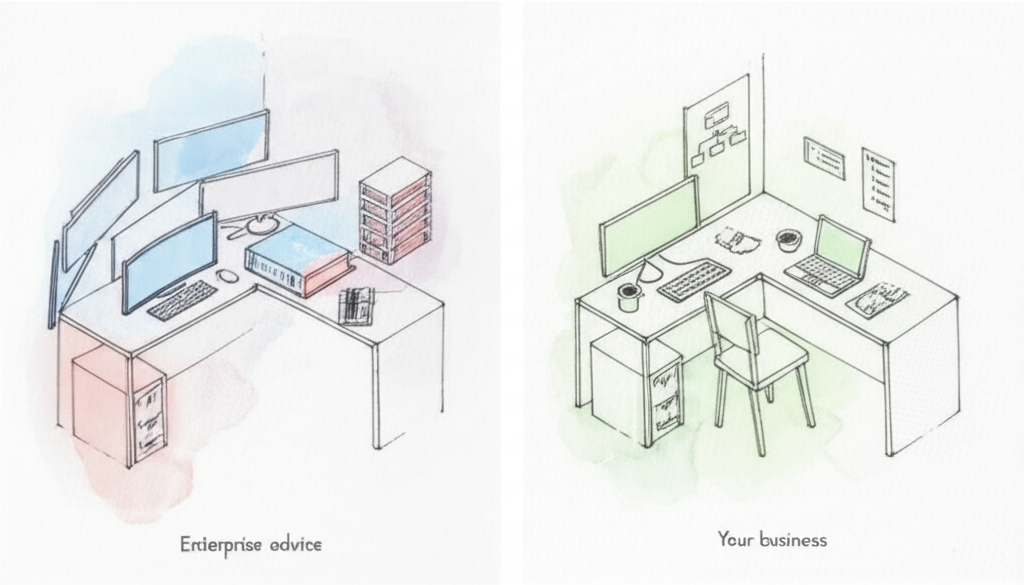
Enterprise AI advice is built for enterprise problems. It assumes you have a dedicated IT team, a compliance department, and the budget to run a six-month implementation programme. If you’re a small business, none of that applies — and most of what you’ll read online is useless at best and expensive at worst.
Small businesses don’t need a transformation programme. They need to stop doing three things manually that a well-configured tool could handle in the background. They need to know which of the fifty AI tools they’ve seen advertised this month are actually worth the subscription fee. And they need someone who won’t sell them a strategy deck when what they need is working software.
I’m not going to sell you a roadmap. I’m going to tell you the two or three things that will actually make a difference for your specific business, and help you implement them properly.
The Methodology
Five Steps That Keep It Practical
No strategy decks, no transformation programmes. Just the things that will actually make a difference for your business.
01
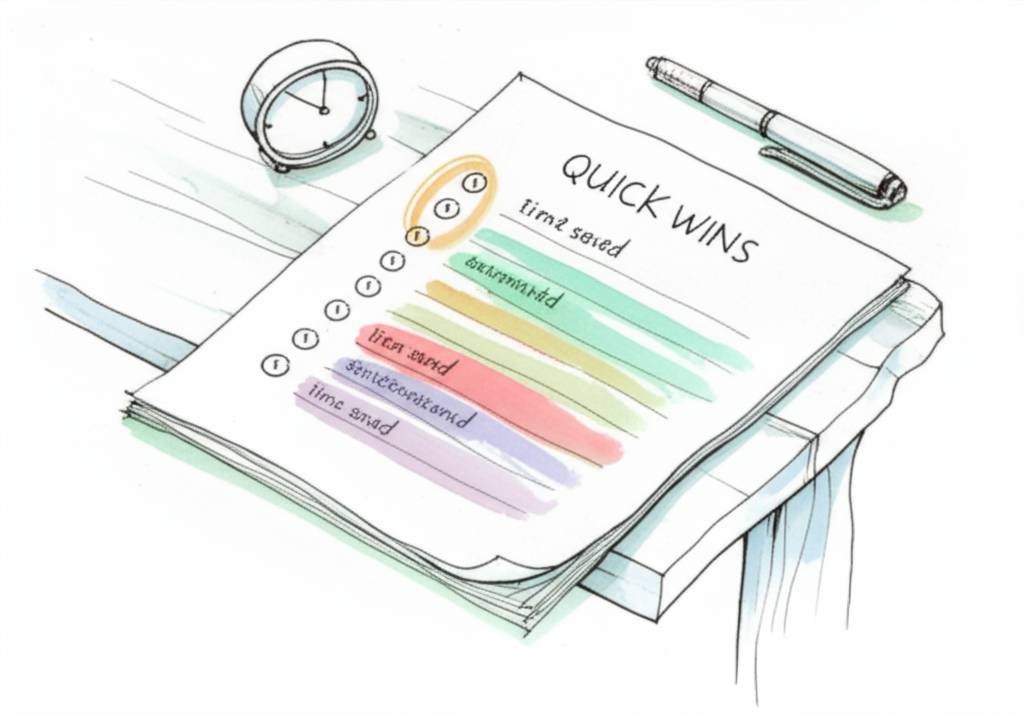
Find the Quick Wins First
Before anything else, I look for the tasks you’re doing every day that are genuinely automatable right now — scheduling, email drafting, data entry, research summaries. These are the places you get time back fastest.
02
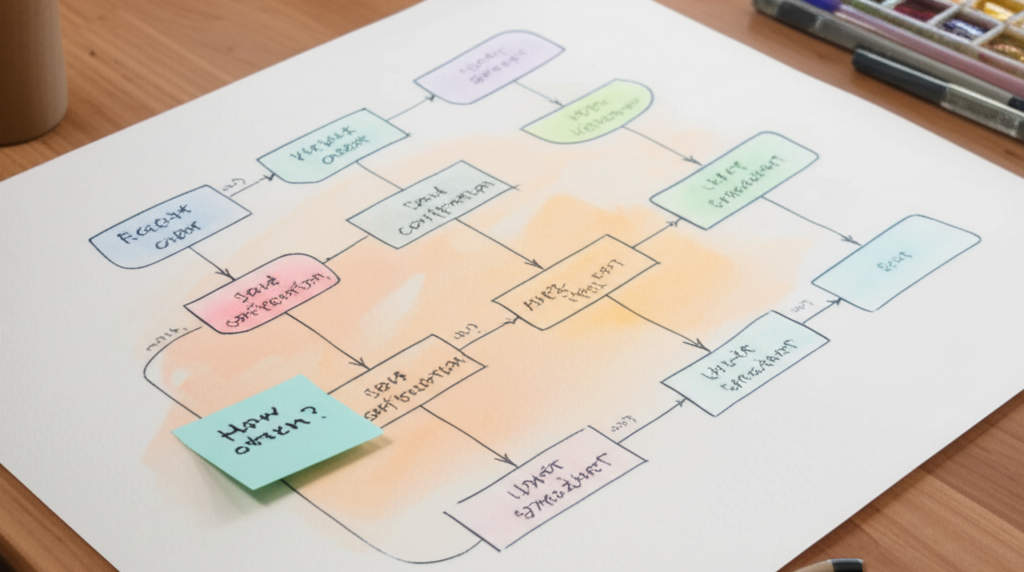
Map the Repeating Workflows
The workflows that run on a schedule or get triggered by the same events are the ones worth automating properly. We document exactly how they work before touching anything.
04
Set It Up So It Stays Set Up
A tool that requires constant maintenance defeats the purpose. Every automation is built to run reliably without babysitting — with clear alerts when something needs human attention.
03
Pick the Right Tools
Two or three tools that actually solve your problems are better than a subscription to everything. I tell you what’s worth paying for and what isn’t, based on what you’re actually trying to do.
05
Measure What Actually Changed
Not prompts sent or AI sessions logged — real metrics. Time saved per week, tasks that no longer require manual handling, response times, error rates. We agree on what success looks like before we start.
Common Mistakes
What Goes Wrong When Small Businesses Try AI on Their Own
The five patterns we see repeatedly — and that cost more to fix than they would have cost to avoid.
✕
Buying enterprise tools for small business problems
Enterprise tools come with enterprise complexity — admin overhead, compliance requirements, and pricing built for teams of fifty. Most small businesses don’t need them.
✕
Chasing the latest model
The newest model is rarely the right answer. The right answer is a properly configured tool that fits your workflow — and those don’t change every six weeks.
✕
Automating a broken process
If the manual version of a workflow is inefficient or error-prone, automating it makes those problems faster and harder to spot. Fix the process first.
✕
No baseline, no measurement
If you don’t know how long something takes now, you can’t know whether AI is helping. The most common “AI success” is a tool that feels faster but isn’t.
✕
Trying to change everything at once
Three things working properly beats twelve things half-implemented. Start small, verify it works, then expand.
Deliverables
What You Get at the End of the Engagement
Working automations you can run yourself, and a clear picture of what changed and why it matters for your business.
✓
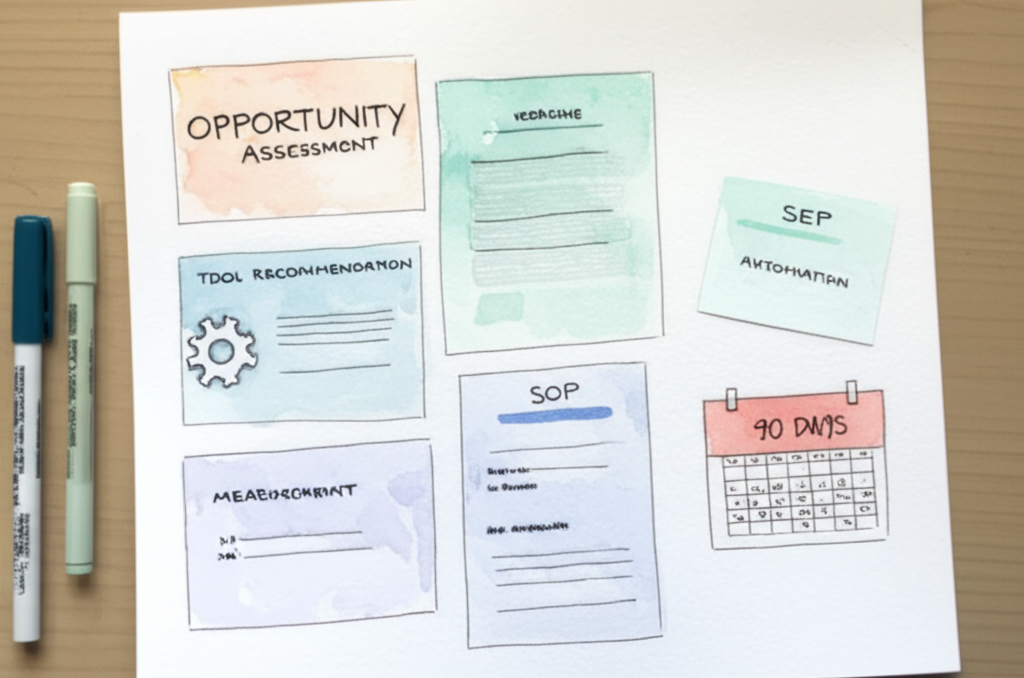
Opportunity assessment
A prioritised list of where AI is and isn’t worth investing in your specific business — with the reasoning behind each recommendation
✓
Tool recommendations
The two or three tools that fit your workflow and budget, with an honest view of what each one does and doesn’t do well
✓
Automation setup
Working automations for the highest-value workflows, tested and handed over to you
✓
Team SOPs
Simple, clear documentation for how to use each tool — written for the people who will actually use it, not for a compliance file
✓
Measurement framework
The metrics that will tell you whether each change is working, and how to track them without adding overhead
✓
90-day check-in
A follow-up review to see what’s working, what isn’t, and whether anything needs adjusting
Getting Started
Let's Figure Out Where AI Actually Helps You
Tell me what your business does and where you spend the most time on things that feel manual or repetitive. You’ll get an honest picture of what AI can and can’t do for you — not a sales pitch.