Software Development

Software Development

Production software built with agentic orchestration — spec-first, adversarial-reviewed, quality-gated. The same methodology applied to your product.

Free 30-minute assessment. No commitments.

Spec-first development with AI

100%

Test coverage on delivery

5

Quality gates per feature

0

Lines shipped without review

30+

Years engineering discipline

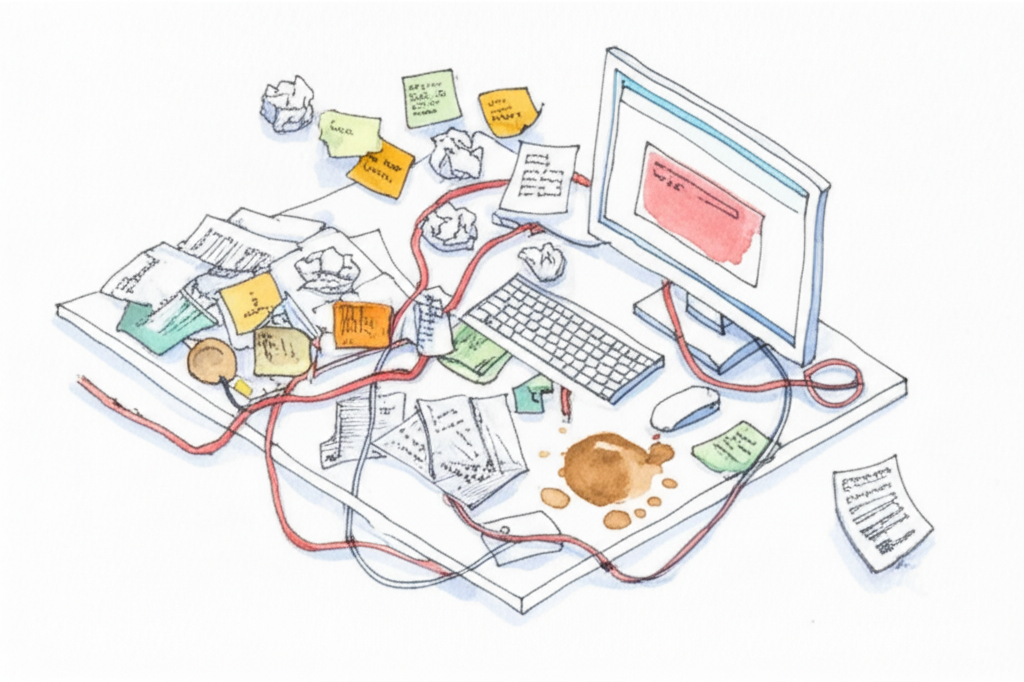
Before and after: chaos to structure
The Problem

AI wrote the code. Nobody's sure it's correct.

Teams using AI coding assistants move faster — but faster gets you to wrong faster if there’s no verification layer. The output looks plausible. It compiles. It passes a quick review. And it ships with logic errors, security gaps, and no record of how any decision was made.


I build software using AI assistance with the same discipline I’d apply to any production system: formal specifications before code, test-driven development, multi-stage adversarial code review, and full audit trails.
The Methodology

What disciplined AI-augmented development actually requires

Not “AI writes code and we ship it.” Five things that separate verifiable software from plausible-looking output.

Formal Specifications

01

Formal Specifications

Define what the system must do in unambiguous terms before any code is written. Ambiguity in the spec becomes ambiguity in the code — and usually a bug.

Test-Driven Development

02

Test-Driven Development

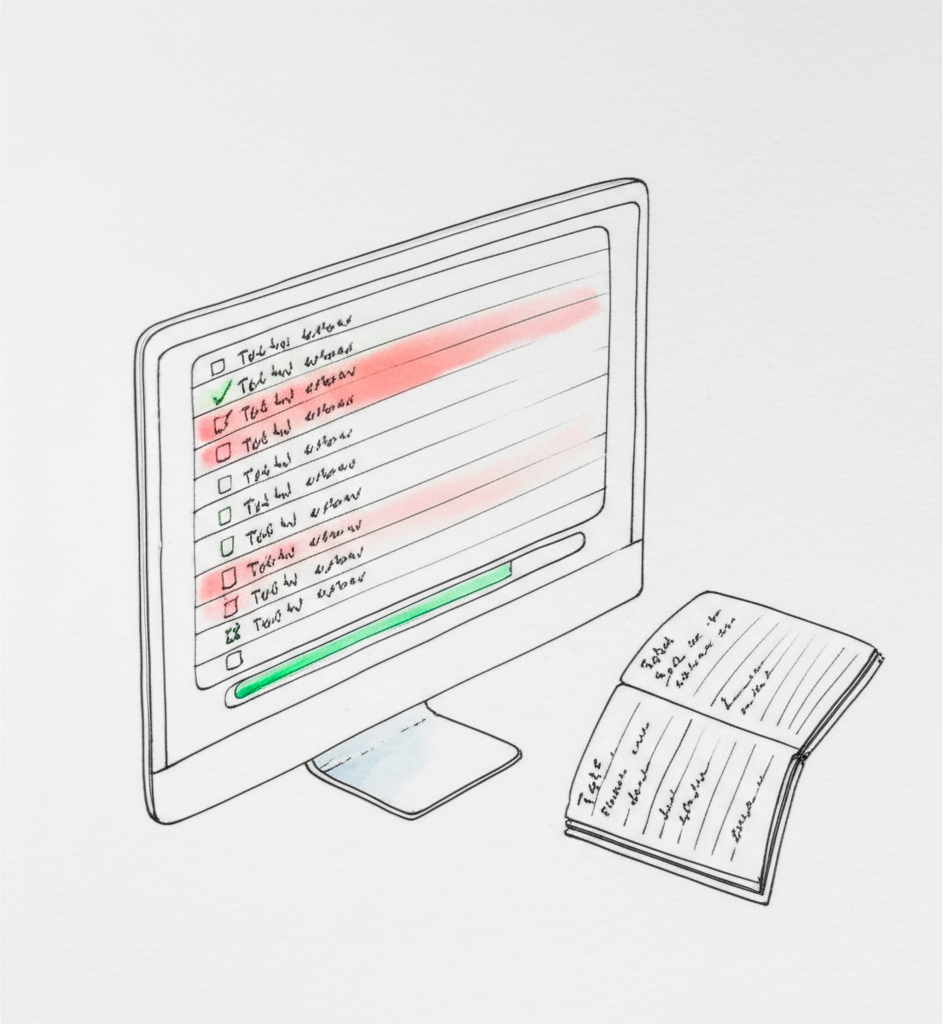
Every feature starts with a failing test — constraining AI output and making verification automatic.

Audit Trail

04

Audit Trail

Every AI-generated block, gate result, and spec deviation is logged — a complete record when something breaks.

Multi-Gate Code Review

03

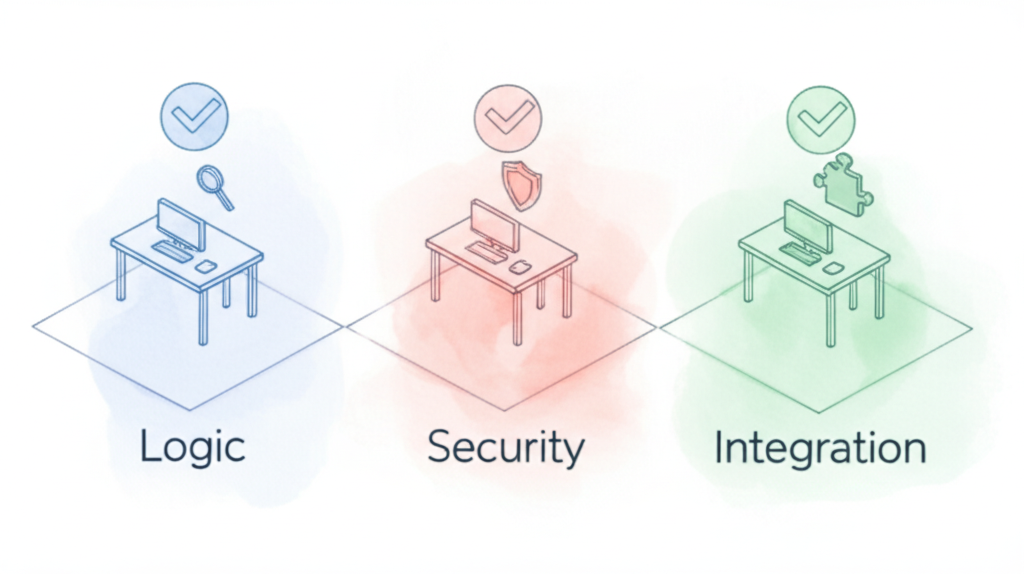
Multi-Gate Code Review

Structured review stages — logic, security, integration — with defined criteria and adversarial checking.

05

Delivery Validation

The complete system tested against original specifications. Evidence-based sign-off and a clear statement of what was built.

Delivery Validation
Common Mistakes

What teams get wrong with AI development

The five failure modes we see in every engagement.

Common development mistakes

Vibe coding without specifications

“Build a system that does X” is not a specification. AI fills ambiguity with plausible-looking guesses.

No test coverage

Each untested block is a bet that the model got it right. Those bets accumulate until something breaks.

Self-review

The same model that produced a logic error will explain why the logic is correct. Review must be adversarial.

No audit trail

“The AI wrote it” is not a useful post-mortem. You need decision records.

Skipping integration testing

Components working in isolation doesn’t mean they work together.

Deliverables

What you get at the end of an engagement

Software you can maintain, audit, and extend — not assembled AI output. Scope is defined against your specification.

Project deliverables package

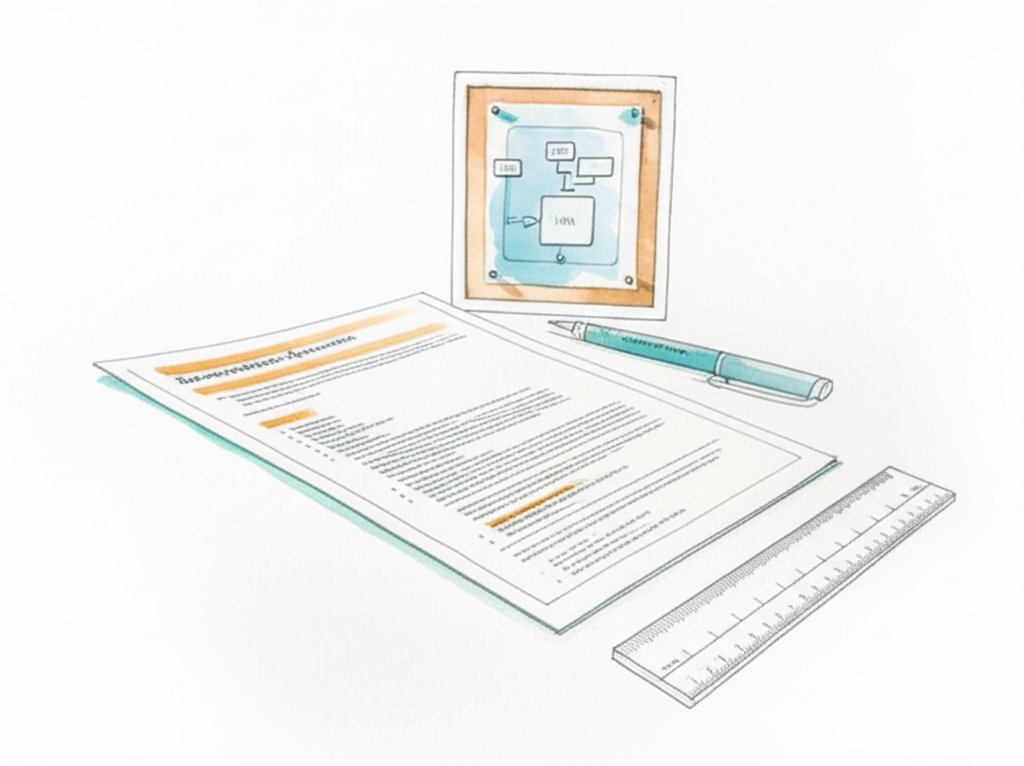
Formal specification document

What the system must do, verified before development begins

Working software

Passing all specified tests, reviewed through all gates

Complete test suite

Full coverage, automated, runnable by your team

Code review records

Gate results documented for every significant component

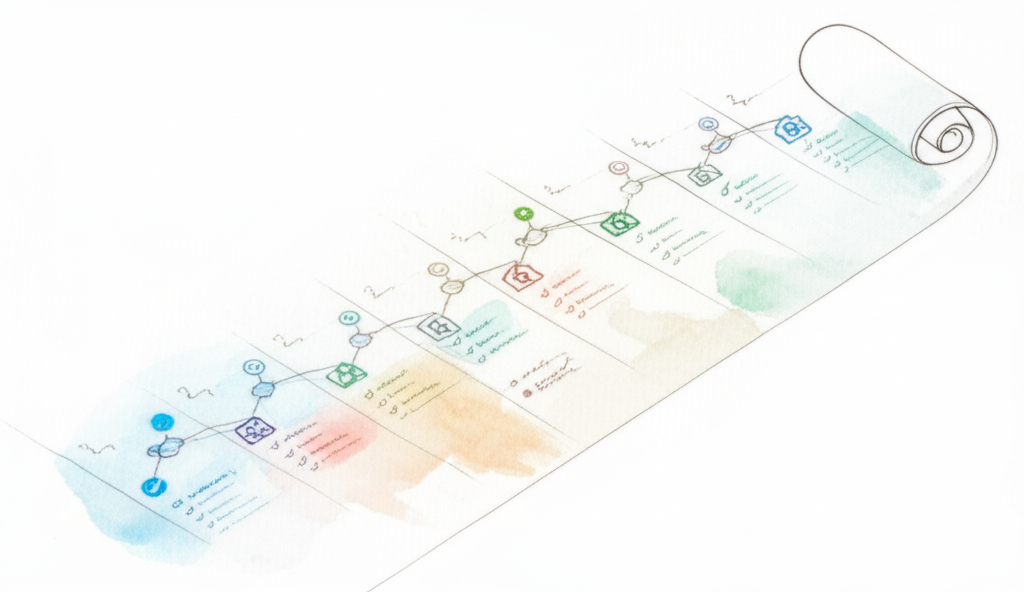
Audit trail

Decision log from specification through delivery

Handoff documentation

Enough for your team to maintain and extend without me

Getting Started

Start with a conversation.

Describe what you’re trying to build. You’ll get an honest assessment of where you are, what the right approach is, and what it would take to ship software you can actually trust.

Complimentary 30-minute technical assessment. No commitments.

Book a consultation