The developer and the assistant
Where most teams are today. The AI helps — but the developer owns every decision, every review, every integration.
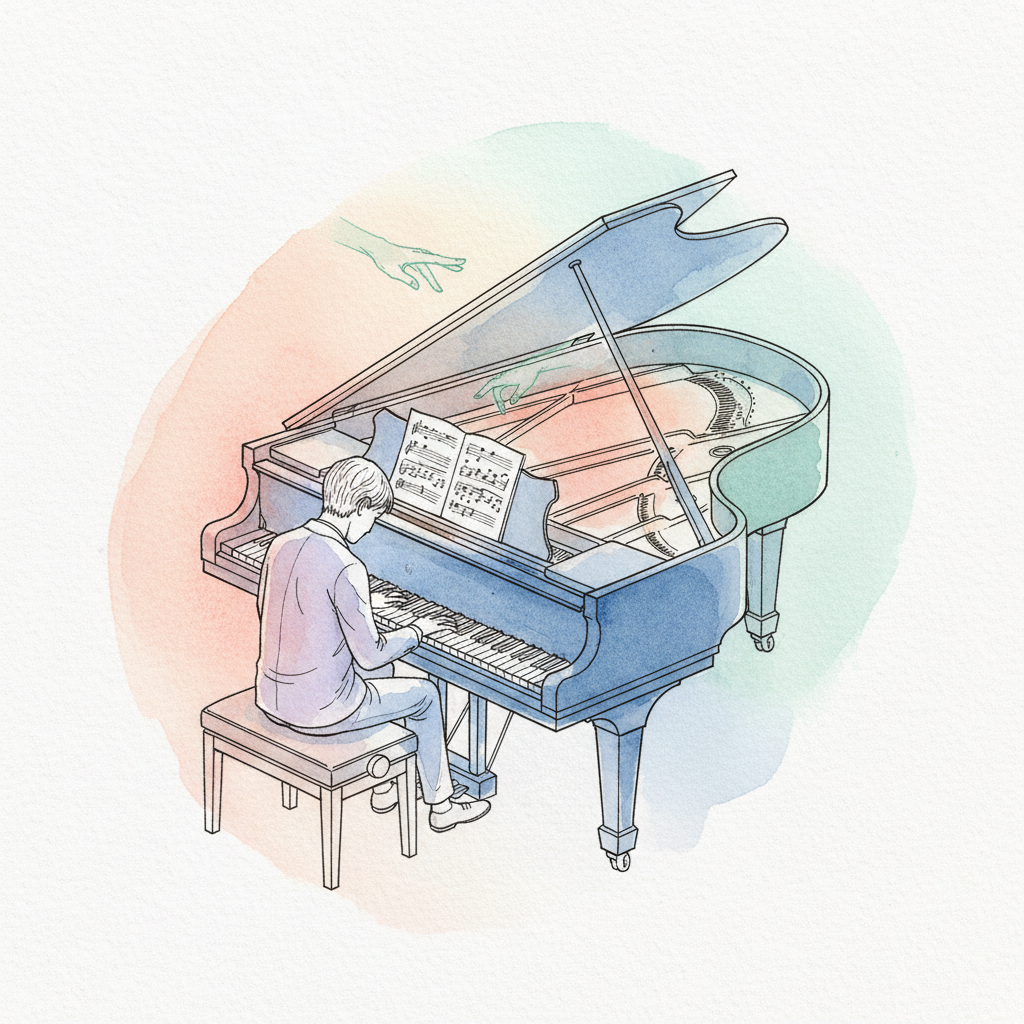
- Writes code manually
- Reviews AI suggestions line by line
- Full cognitive load stays with the developer
- Completes lines and functions from context
- Developer and AI work at the same level — same task, same pace
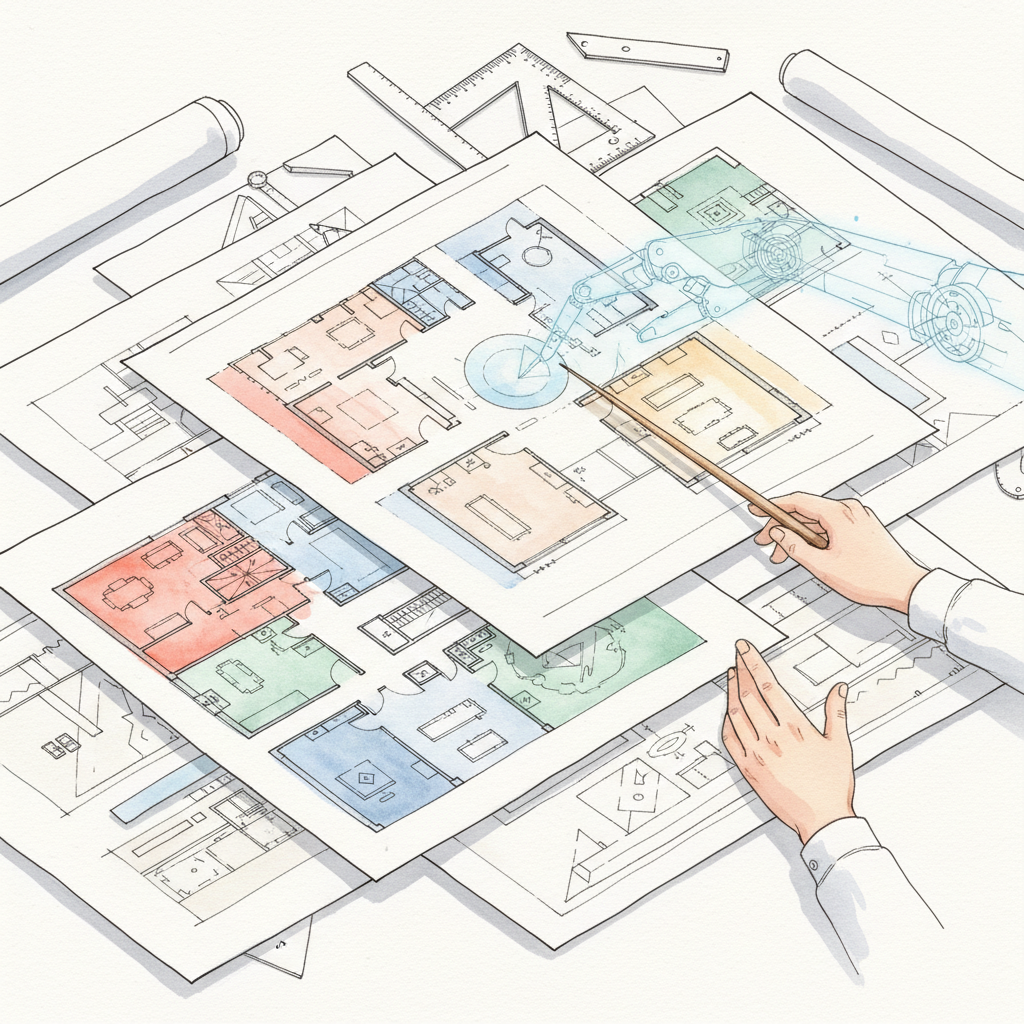
- Describes what needs changing
- Reviews all output — still owns every line
- Writes fewer lines, but review burden grows
- Rewrites functions, files, components on instruction
- Output volume increases significantly
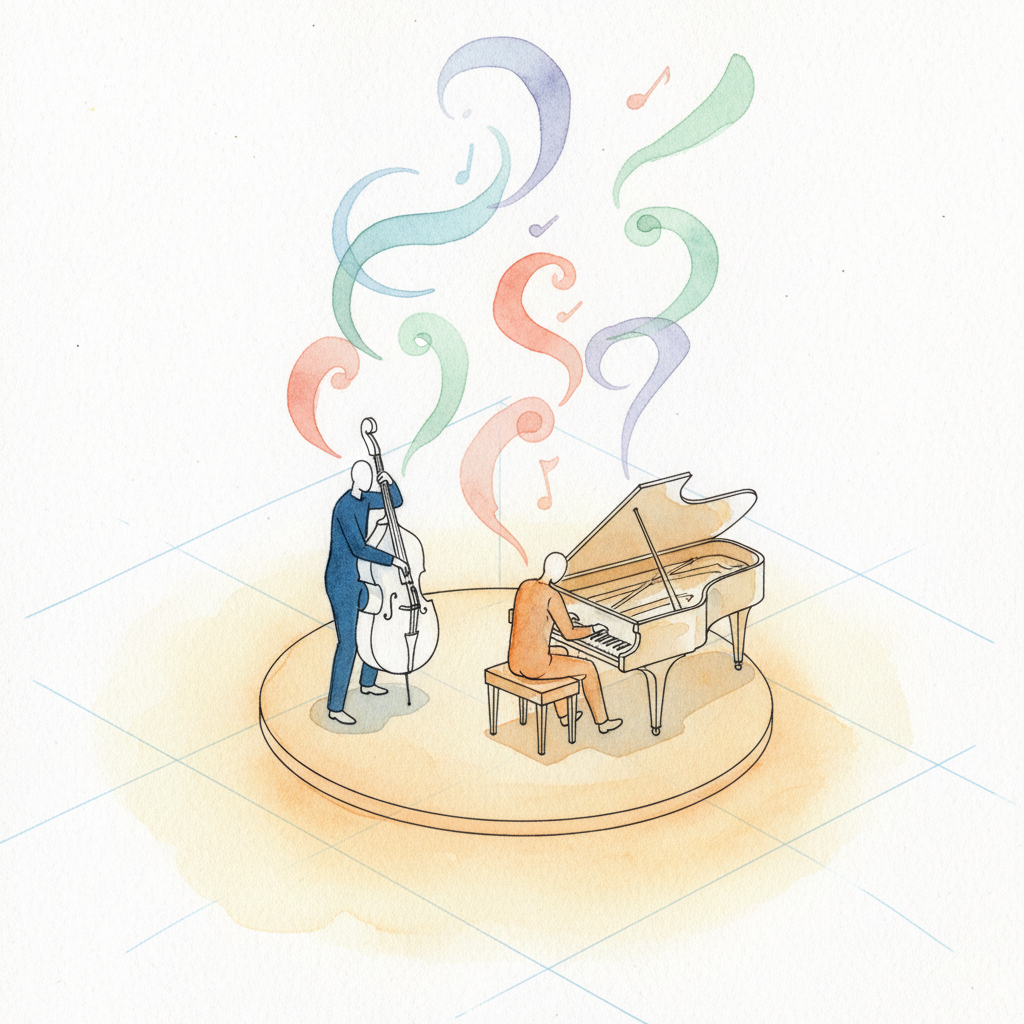
- Prompts brief, reviews PRD, approves approach
- Tests and debugs with AI — conversational back-and-forth
- Still deeply involved in every decision
- Drafts PRDs, generates implementation
- Iterates on feedback across multiple rounds
Building the infrastructure
The transition from Stage 3 to Stage 4 is the largest single leap — from ad hoc prompting to a designed, repeatable process. Something has to be built.
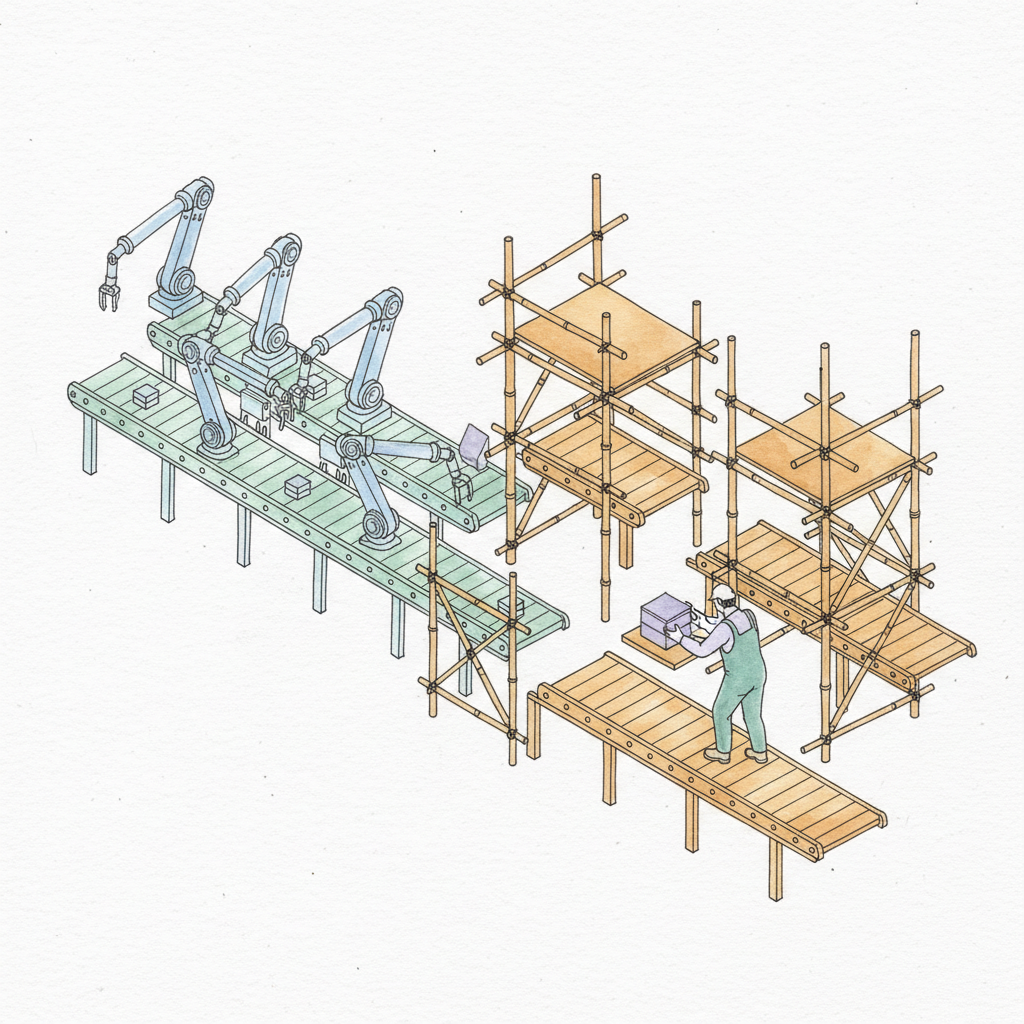
- Configures pipeline steps manually
- Monitors output, intervenes on failures
- Fills gaps between automated phases
- Executes specific phases: code gen, tests, basic review
- Phase transitions are manual or fragile
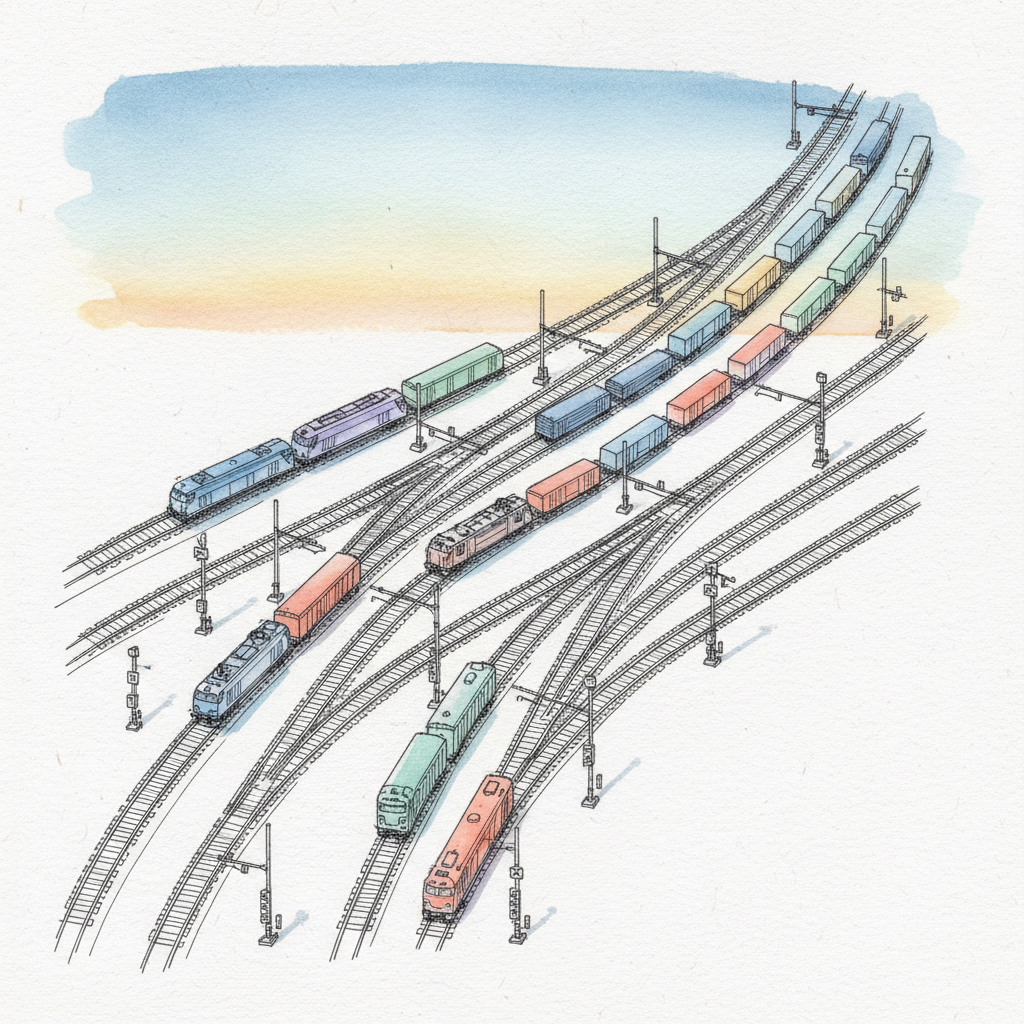
- Writes specs, reviews pipeline output
- Makes architectural decisions
- Pipeline handles everything else
- Full TDD cycle: spec → red tests → green → review → remediation
- Quality gates between every phase
- Deterministic orchestration — scripts control, LLMs execute
- LLM-directed (path of least resistance) — unbounded retries, step skipping, context loss, self-review blind spots
- Deterministic (scripts enforce sequence, LLMs execute steps) — reproducible, auditable, decisions from state files not model judgment
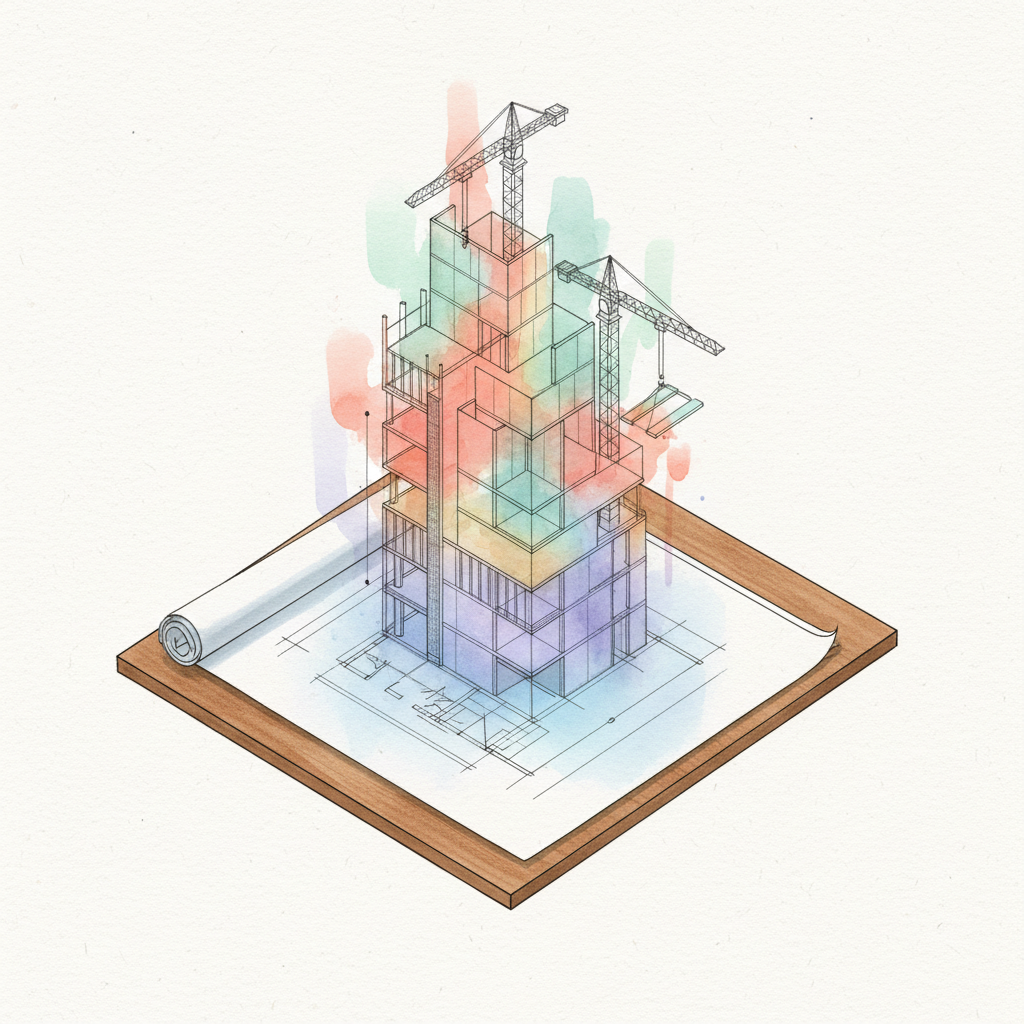
- Provides specifications or intent
- Reviews generated pipeline configuration
- Selects pipeline type — PoC gets minimal gates, production gets full adversarial review
- Reads spec, generates complete pipeline — stages, agents, gates, retry logic
- Generates pipelines on demand for new artifact types
- Makes non-software outputs possible without manual pipeline building
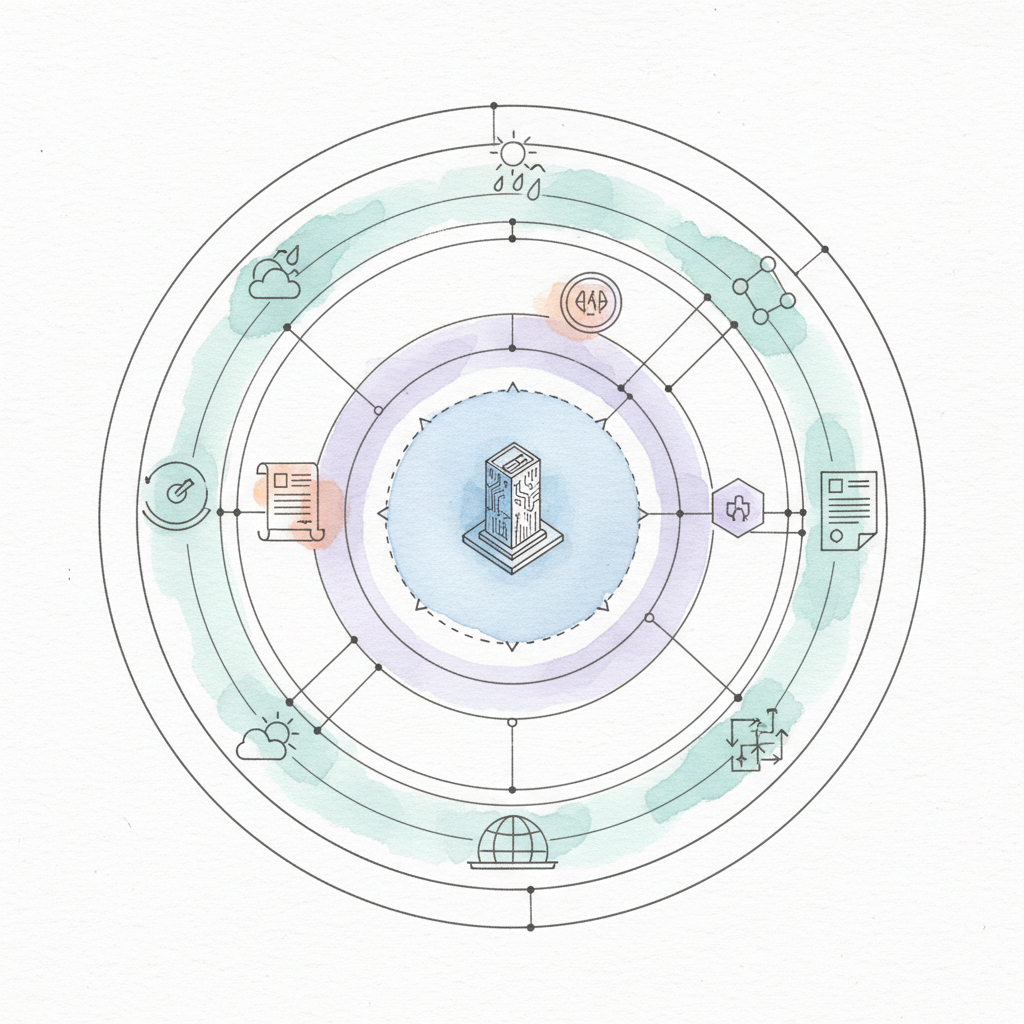
Stages 1–6 are about production — building things faster, more reliably, at scale. Stages 7–9 are about awareness — what the system knows about itself, the organization it serves, and the world around it. These aren’t levels you unlock in sequence. They’re capabilities that become effective when the production infrastructure is mature enough to act on what the system learns.
At these stages, “software” is just one output. The same pipeline discipline applies to documentation, training materials, marketing, monitoring — everything the organization produces digitally.
Expanding awareness
Stages 1–6 describe production maturity — building things faster, more reliably, at scale. Stages 7–9 describe something different: an expanding sphere of awareness. The innermost ring is the system itself — what it built, what failed, what was learned. The next ring is the organization it serves — policies, standards, regulations, institutional knowledge. The outermost ring is the environment around it — technology shifts, regulatory changes, user behavior, ecosystem health. At each ring, the system can govern more — because stewards can only govern what the system can see.
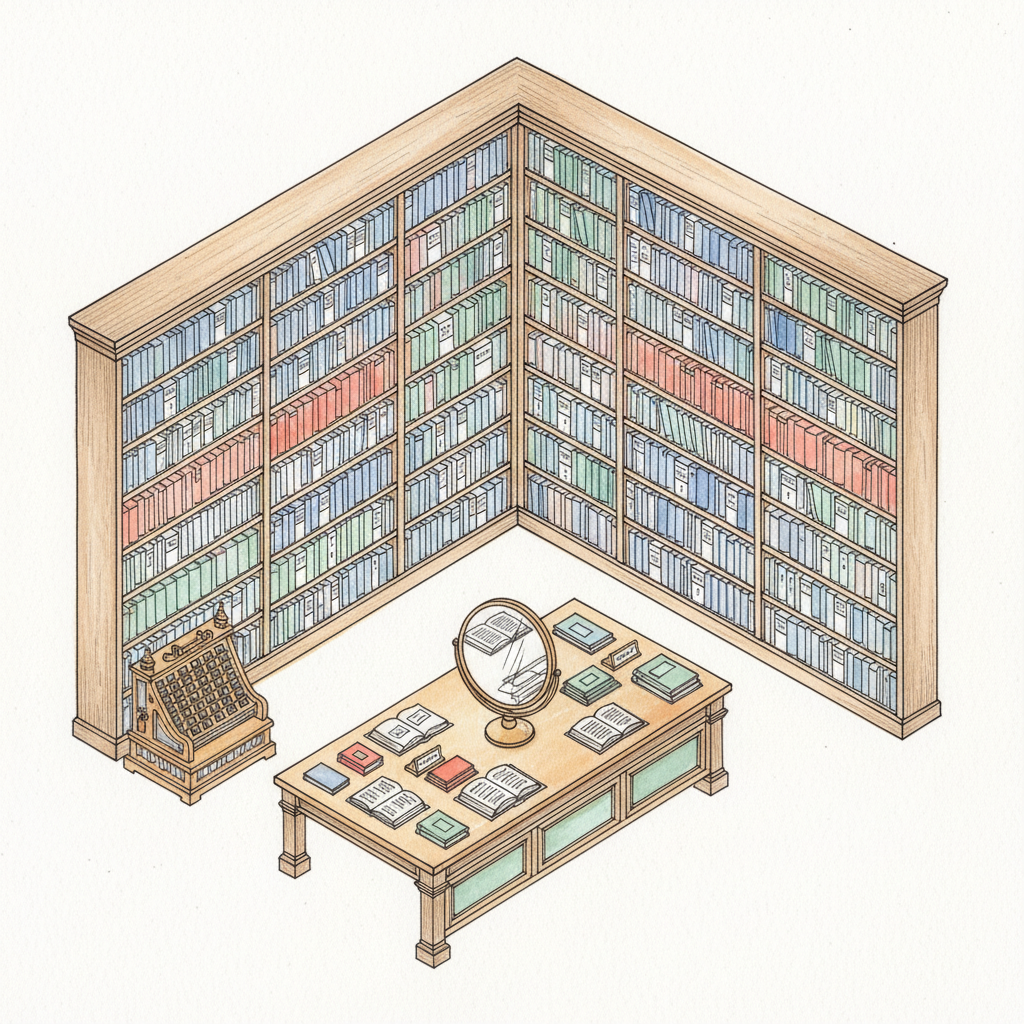
- Governs knowledge — promotion rules, contradiction resolution, what retires
- Sets approval thresholds for autonomous changes
- Reviews and approves Manager Agent proposals
- Defines self-reference boundaries — what the system can modify about itself
- Accumulates structured knowledge across every run: specs, deficiency records, test outcomes, remediation history, model performance
- Maintains the current-state system descriptor — as-built reality, continuously updated, separate from PRDs and design specs
- Classifies all knowledge by type: intent, constraint, design, reality, outcome, procedural, runtime, data, security
- A formal reasoning layer (logic engine, not LLM) governs policy applicability, contradiction handling, and escalation
- Manager Agents introduced — reactive but informed. They know production history, not just current health signals
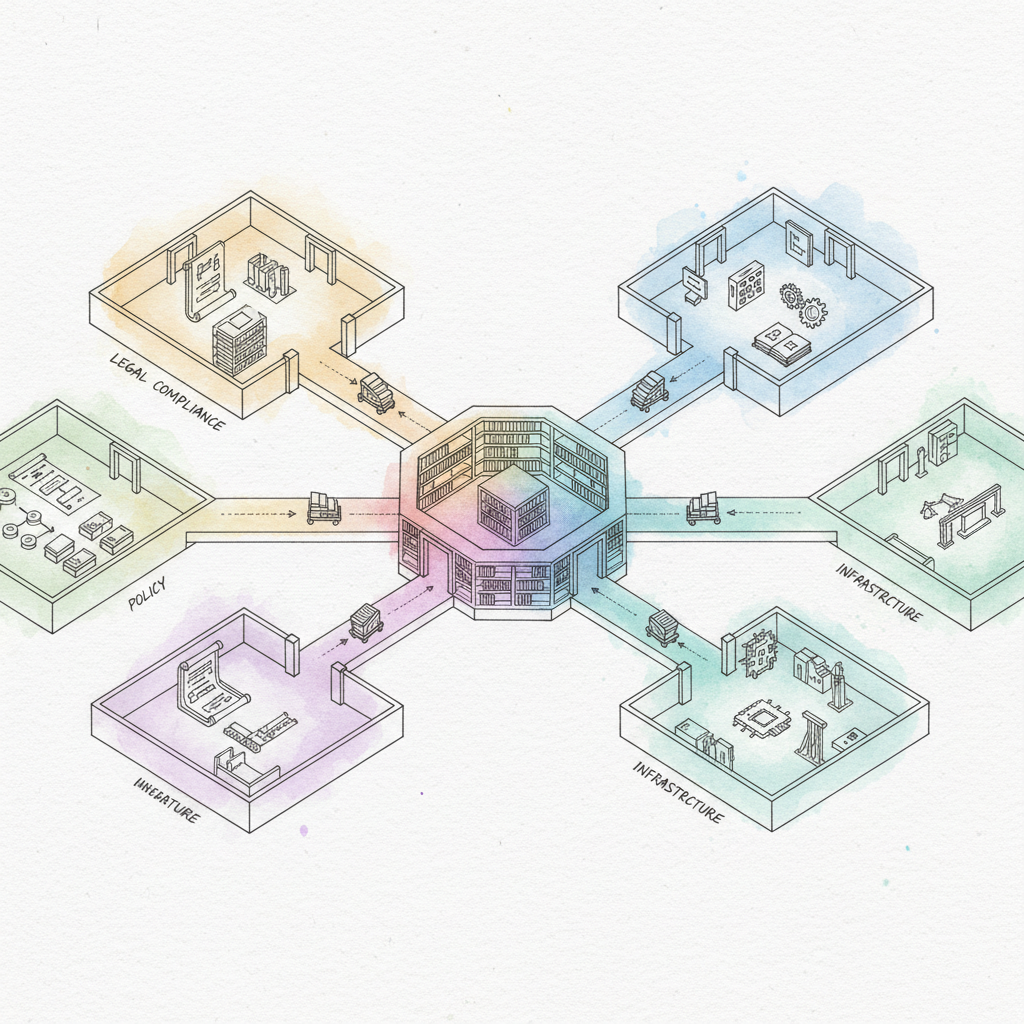
- Connects knowledge sources — wikis, runbooks, compliance files, infrastructure repos
- Resolves policy conflicts and exception approvals
- Reviews escalations when regulatory implications are uncertain
- Discovers, synthesizes, and applies org knowledge automatically during artifact production
- Infers applicable policies — “Toronto hospital” implies PHIPA, Ontario regs, audit logging, data residency — without the developer writing any of it
- Treats security as a parallel reasoning domain — trust boundaries, threat models, supply-chain risk — not just a validator step
- Evaluates impact with institutional context: regulatory consequences, policy compliance, cross-system effects
- Refuses to produce artifacts when compliance cannot be verified — escalates rather than guesses
- Manager Agents expand: detect regulatory changes affecting their feature, monitor for institutional drift
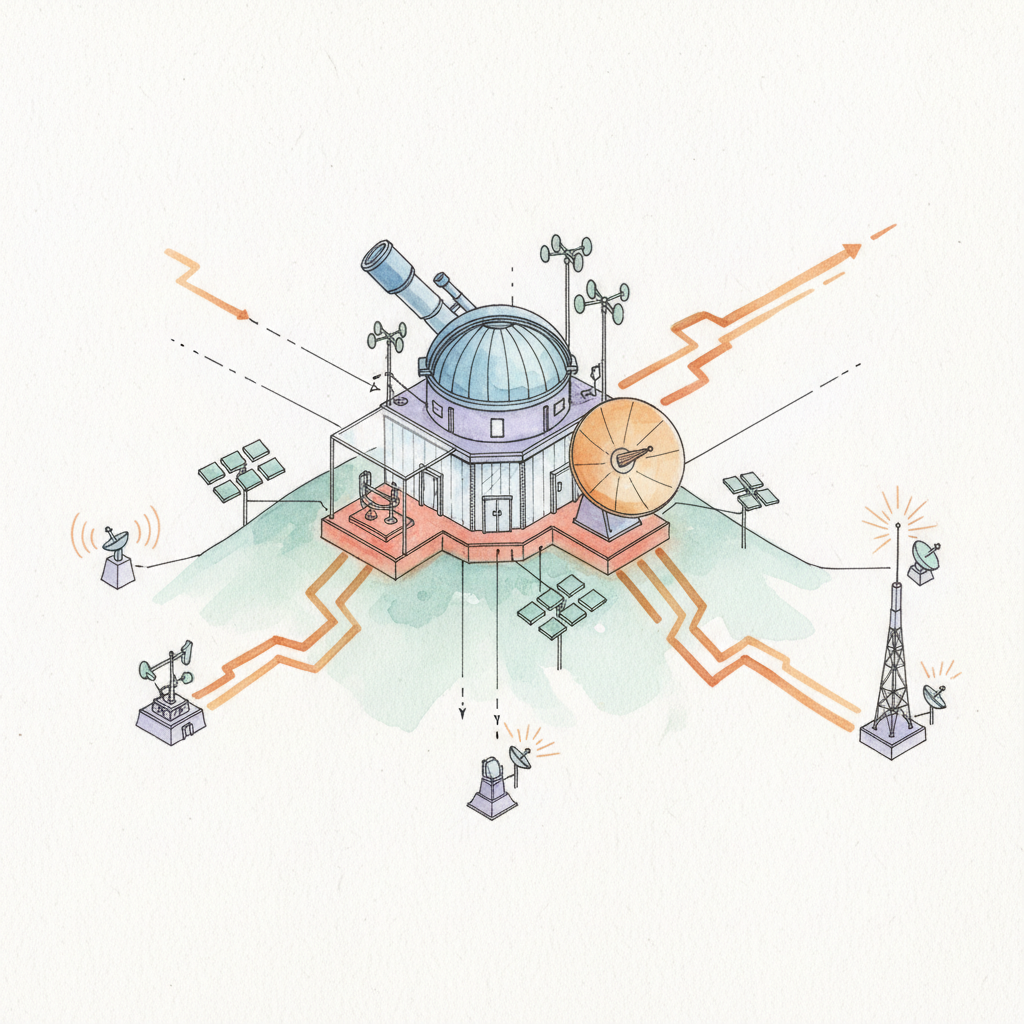
- Sets goals and strategic intent
- Governs budget, risk, scope, and approval thresholds
- Approves or rejects proposals — including those originating from goals or user conversations
- Governance design is now the most consequential activity — the system self-organizes toward whatever configuration the constraints make stable
- Monitors four signal domains: operational (crashes, latency, errors), artifact integrity (stale docs, inconsistent diagrams), environmental (regulatory updates, dependency CVEs, API changes), and human (bug reports, feature requests, user conversations)
- Converts user natural-language ideas into structured proposals — “It would be nice if this exported to Excel” becomes a spec candidate
- Originates work from goals: goal → inferred specs → pipelines → artifacts — without a developer writing a single ticket
- Coordinates via the artifact dependency graph — a change in one artifact cascades to docs, SDKs, diagrams, monitoring rules, runbooks, each handled by the responsible Manager Agent
- Every proposal feeds back into Stage 7 knowledge — the cycle is continuous